
15 Small Apartment Storage Ideas for Everyday Living
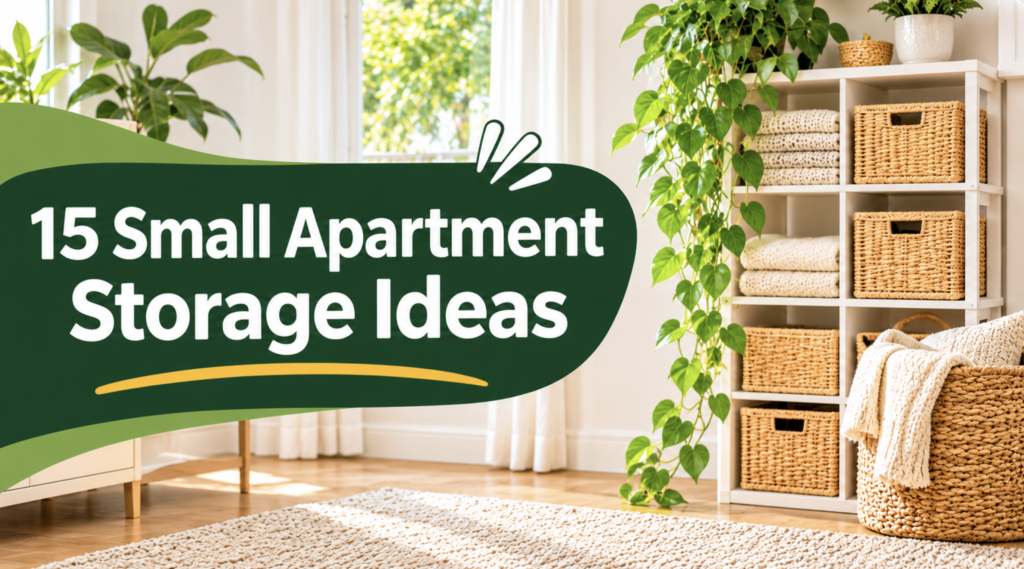
When you live in a small apartment, finding enough storage space can be challenging. Limited closets, narrow cabinets, and compact rooms often leave everyday belongings competing for the same space.
Fortunately, you don't need a bigger apartment to improve your storage. The key is to use overlooked areas, choose storage solutions that fit your rooms, and keep frequently used items accessible.
These 15 small apartment storage ideas cover bedrooms, kitchens, bathrooms, and living areas, with practical options for renters and homeowners.
1. Use the Space Under Your Bed
The area beneath your bed can provide valuable storage without taking up additional floor space.
Low-profile containers are useful for storing seasonal clothing, spare bedding, and occasionally used accessories.
Before purchasing containers, measure the clearance beneath your bed, including any support bars.
Choose containers that slide out easily and avoid storing damp fabrics or items that require frequent access.
2. Add Over-the-Door Organizers
Doors offer storage opportunities that are often overlooked.
An over-the-door organizer can hold shoes, scarves, cleaning accessories, or small bathroom essentials.
Choose an organizer designed for the weight and size of your belongings.
Check that the door closes properly and that the organizer doesn't damage the frame or hinges.
3. Choose Storage Baskets for Open Shelves
Open shelving can look cluttered when small objects are scattered across different surfaces.
Storage baskets help group similar items while keeping them accessible.
For example, you might dedicate separate baskets to charging cables, stationery, and small household accessories.
Measure your shelves before choosing baskets, and label containers if their contents aren't immediately visible.
4. Make Better Use of Vertical Wall Space
When floor space is limited, unused wall areas can offer additional storage.
Wall-mounted shelves can hold lightweight decorations, books, or everyday essentials.
Before installation, check your rental agreement and identify the wall material.
Use suitable mounting hardware and observe weight limits. Avoid placing heavy items on shelves installed without appropriate support.
5. Install Hooks in Useful Locations
Hooks can create convenient storage for objects that otherwise end up on furniture.
Consider suitable hooks for:
- Lightweight jackets near the entrance.
- Reusable shopping bags.
- Kitchen towels.
- Small accessories inside closet doors.
Removable adhesive hooks may work on appropriate surfaces, but their holding capacity depends on installation conditions.
Never use them for heavy or fragile belongings.
6. Use Drawer Dividers to Separate Small Items
Drawers become difficult to manage when unrelated objects are mixed together.
Adjustable dividers or appropriately sized existing containers can create separate sections.
In a kitchen drawer, for example, you might organize cooking utensils, measuring tools, and small accessories into distinct compartments.
Measure drawer height before adding dividers so everything closes smoothly.
7. Store Seasonal Clothing in Labeled Containers
Clothing used only during certain seasons doesn't need to occupy your most accessible storage areas.
Clean and completely dry seasonal items before packing them into suitable containers.
Use labels identifying the contents, such as "Winter Accessories" or "Summer Clothing."
Choose a dry storage location and avoid compressing delicate garments that may lose their shape.
8. Use Cabinet Shelf Risers
Tall kitchen cabinets sometimes waste usable space above short dishes and mugs.
Shelf risers create an additional level inside a cabinet without requiring permanent modifications.
They can help separate plates, cups, or small pantry items.
Check the dimensions and weight capacity before installation. Keep heavy objects on stable, lower surfaces.
9. Organize Under-Sink Storage Carefully
The space beneath a kitchen or bathroom sink can accommodate certain household supplies.
Use small removable containers to separate suitable cleaning accessories and other compatible items.
Leave plumbing connections accessible and inspect the area for leaks.
Never block pipes, overcrowd the cabinet, or store chemicals in ways that create hazards.
Follow product labels and keep cleaning chemicals secured away from children and pets.
10. Add a Slim Rolling Cart Where Space Allows
A narrow rolling cart can fit into certain gaps beside desks or between suitable pieces of furniture.
Depending on its design, it can store craft supplies, office essentials, or lightweight kitchen accessories.
Measure the available space, including the clearance needed to pull the cart out.
Avoid positioning carts where they obstruct doors or walking routes.
11. Use Existing Window-Side Space Wisely
Some apartments have deep windowsills or built-in ledges that can hold a small number of suitable lightweight items.
For example, a stable ledge may accommodate a small plant or decorative container.
Keep window handles, ventilation, and emergency escape access unobstructed.
Avoid stacking objects where they could fall or become exposed to damaging moisture.
12. Create a Dedicated Paperwork Storage Area
Receipts, letters, manuals, and important documents can quickly accumulate in a small home.
Use a compact file box or folder system to organize paperwork into categories.
Suggested sections include:
- Important personal documents.
- Housing and utility records.
- Product warranties and manuals.
- Papers requiring action.
Keep sensitive documents secure and review unnecessary paperwork periodically.
13. Take Advantage of Existing Furniture Compartments
Furniture with built-in drawers, shelves, or hidden compartments can provide storage without adding more pieces.
A storage ottoman, for example, may accommodate spare throws or appropriate lightweight accessories.
Use these compartments for items that match their size and intended purpose.
Don't overload hinges or force oversized belongings into enclosed spaces.
14. Organize Bathroom Essentials in Small Containers
Compact bathrooms benefit from separating everyday products into manageable groups.
Use suitable containers for hair accessories, toiletries, and other small personal items.
Keep frequently used products within easy reach and move less-used supplies into available cabinets.
Avoid placing storage accessories where they interfere with outlets, plumbing, or bathroom ventilation.
15. Keep a Small Donation or Relocation Basket
Even well-designed storage systems become crowded when unnecessary items accumulate.
Keep a small basket in an appropriate location for belongings you no longer need or items that should be returned elsewhere.
Review the basket regularly rather than allowing it to become permanent clutter.
A simple routine helps prevent your available storage from filling up again.
How to Choose the Right Storage Ideas for Your Apartment
Not every storage solution works in every home.
Before buying organizers or installing shelves, consider three factors:
Available space: Measure the area carefully, including doors, drawers, and walking clearance.
Accessibility: Store frequently used items where they can be retrieved comfortably.
Cost and installation: Prioritize solutions compatible with your budget, furniture, and rental restrictions.
For example, if your kitchen cabinets are crowded but have unused vertical clearance, shelf risers may be more useful than adding another storage cart.
Final Thoughts
Small apartment storage works best when every solution addresses a specific problem.
Start with overlooked spaces such as under-bed areas, cabinet interiors, and existing shelves. Choose organizers that fit your belongings rather than buying containers simply because they look attractive.
With practical storage choices and regular maintenance, even a compact apartment can become easier to use and keep organized.
Leave a Reply