
How to Organize a Small Bedroom on a Budget
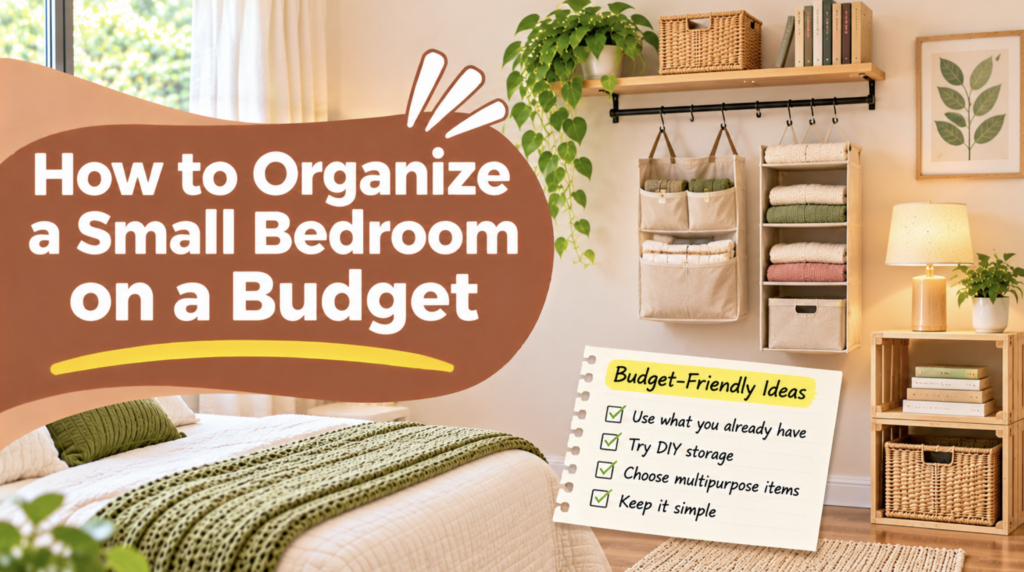
A small bedroom can become cluttered quickly, especially when your closet is full, the nightstand is crowded, and clothes keep piling up on the nearest chair.
You might think the solution is buying a new dresser, matching storage baskets, or an expensive closet system. But organizing a bedroom doesn't have to involve a shopping trip.
The best way to organize a small bedroom on a budget is to use what you already own, rearrange belongings around your daily habits, and spend money only on storage solutions that solve a specific problem.
Here's how to make your bedroom more functional without overspending.
1. Start With a Free Bedroom Decluttering Session
Before shopping for organizers, take a closer look at what's occupying your limited space.
Start with one area, such as your nightstand, dresser, or bedroom chair.
Separate belongings into three categories:
- Things you use regularly.
- Things that belong somewhere else.
- Items you no longer need.
Return useful belongings to appropriate locations and set aside unwanted items for donation or responsible disposal.
Don't purchase containers until you've reviewed what actually needs storage.
You may discover that you already have enough room once unnecessary belongings are removed.
Budget benefit: This first step costs nothing and helps prevent unnecessary purchases.
2. Rearrange Existing Furniture Before Buying Anything
A bedroom can feel crowded because of furniture placement rather than insufficient storage.
Check whether your dresser blocks a closet door or your nightstand occupies space needed for walking.
Try repositioning furniture to make existing storage easier to access.
For example, moving a dresser closer to your clothing area may simplify getting dressed and putting laundry away.
Measure the room before making changes, and keep doors and essential walking paths clear.
If you're working with limited space, our guide to small bedroom storage without extra furniture explains how to use existing furniture more effectively.
3. Reuse Containers You Already Have
You don't need matching storage baskets to organize a bedroom.
Clean, sturdy containers you already own may work perfectly well for small belongings.
For example, a suitable box can hold scarves, while a small tray can keep everyday accessories together.
Before reusing a container, check that it's clean, undamaged, and appropriate for its contents.
Avoid unstable stacks or damaged containers with sharp edges.
If you want a more consistent appearance, you can choose containers in similar colors without replacing everything you own.
4. Make Better Use of Your Closet Shelves
Closet shelves often contain unused space or poorly arranged belongings.
Instead of purchasing a new storage system, reorganize the shelves you already have.
Keep everyday clothing accessible and move occasional-use items farther away.
Fold garments into manageable stacks and group accessories in suitable existing containers.
Avoid overloading shelves or storing heavy items overhead.
Our small closet organization guide provides a detailed step-by-step process.
Budget benefit: Improving shelf organization may eliminate the need for additional furniture.
5. Use the Space Under Your Bed
Under-bed storage is useful when your bedroom has limited closet or drawer space.
Before buying anything, measure the clearance beneath your bed.
If you already own low-profile containers that fit properly, consider using them for clean, dry seasonal clothing or spare bedding.
Keep frequently used items somewhere easier to reach.
Avoid storing fabrics in damp locations or blocking ventilation openings.
For advice on container sizes and accessibility, read our guide to under-bed storage ideas for small bedrooms.
6. Organize Your Dresser Without Expensive Dividers
Drawer organizers can be helpful, but they aren't always necessary.
Start by separating clothing into categories and choosing a consistent folding method.
Keep socks, underwear, shirts, and pants in designated sections.
Small containers you already have can help separate accessories.
If your drawers are overcrowded, move occasional-use garments to suitable alternative storage.
Don't force drawers shut or overload the furniture.
Sometimes a better folding arrangement is enough to make the dresser easier to use.
7. Look for Affordable Organizers Only When Needed
Once you've reorganized existing storage, identify any remaining problems.
Maybe your socks still become mixed together, or there's nowhere convenient to keep scarves.
Choose one organizer that addresses that specific issue.
Before buying, compare:
- Dimensions and available space.
- Material quality and durability.
- Weight limits and stability.
- Whether the organizer can be reused elsewhere.
Secondhand stores and local resale options may offer affordable choices, but inspect used furniture and storage products carefully.
A cheap item isn't a bargain if it doesn't fit or function properly.
8. Keep Your Nightstand Free of Unnecessary Items
Your nightstand doesn't need to accommodate everything you use throughout the day.
Keep only essentials such as a lamp, book, or water glass.
Move receipts, extra chargers, and unrelated accessories to their designated storage locations.
Use an existing drawer or small container when appropriate.
A clear nightstand makes bedtime routines simpler without requiring new furniture.
Avoid buying decorative organizers unless you have a practical use for them.
9. Establish a Free Daily Organization Routine
An organized bedroom becomes easier to maintain when everyday belongings return to their assigned places.
Before going to bed, spend a few minutes putting away loose clothing, clearing surfaces, and removing items that belong elsewhere.
Make the routine realistic.
If you regularly leave clothing on a chair, consider whether your closet or laundry hamper is inconveniently located.
Our article on keeping a small bedroom organized every day offers a simple maintenance routine.
Consistent habits can reduce the temptation to solve every problem by purchasing another organizer.
10. Set a Spending Limit Before Shopping
If you still need storage accessories, decide how much you're comfortable spending.
Make a short list of the problems you haven't solved with existing furniture.
Prioritize necessary purchases over decorative improvements.
For example, an appropriately sized drawer divider may be more useful than several attractive baskets that don't have specific purposes.
You can also make improvements gradually rather than buying everything at once.
The goal is to create a functional bedroom while keeping your spending under control.
Final Thoughts
Organizing a small bedroom on a budget doesn't mean accepting a cluttered or uncomfortable space.
Start with free improvements: declutter unnecessary belongings, rearrange existing furniture, and make better use of drawers, shelves, and under-bed storage.
When you do purchase organizers, choose practical items that fit your room and solve real problems.
A comfortable bedroom comes from thoughtful storage and manageable habits, not from how much money you spend.
Leave a Reply