
How to Maintain an Organized Pantry With a Weekly Reset
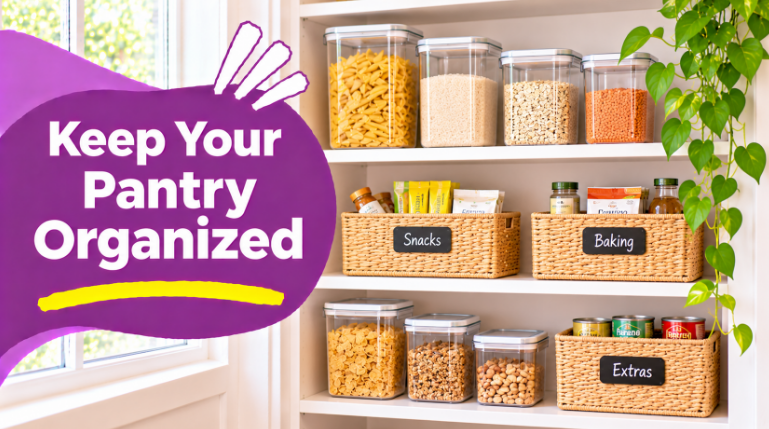
A pantry can look beautifully organized one day and feel completely different after a few grocery trips. A bag of rice gets pushed behind the cereal, snacks end up on the wrong shelf, and a few forgotten ingredients slowly disappear into the back of the cabinet.
It happens easily, especially when several people use the same kitchen.
The good news is that you do not have to reorganize your entire pantry every weekend. A short weekly review can help you keep track of what you have, make everyday ingredients easier to find, and prevent unnecessary clutter.
The goal is not to create a picture-perfect pantry. It is to make the space practical enough that everyone in your household can use it without constantly moving things around.
1. Choose One Day for Your Pantry Reset
Start by choosing a convenient day to review your pantry. It could be before your regular grocery shopping trip or whenever you usually plan meals for the coming week.
You do not need to remove every item from the shelves. Begin by looking at the areas that receive the most use.
Check:
- Shelves where everyday ingredients are stored
- Baskets containing snacks
- Areas for baking supplies
- Sections holding canned and packaged foods
- Spaces where backup products are kept
Choose one small section at a time. This makes the process easier to finish and avoids turning a quick review into a major organizing project.
2. Return Items to Their Designated Categories
One reason pantry clutter builds up is that groceries are put away wherever there happens to be room.
During your weekly reset, return items to their usual categories.
For example:
Breakfast foods: Cereal, oatmeal, and other breakfast essentials.
Baking supplies: Flour, sugar, baking ingredients, and suitable accessories.
Everyday ingredients: Rice, pasta, beans, and other frequently used staples.
Snacks: Packaged snacks and other grab-and-go foods.
Canned goods: Canned vegetables, beans, soups, and other shelf-stable products.
You can adjust these categories to match the food your household actually buys. If you rarely bake, there is no reason to dedicate a large section of your pantry to baking supplies.
3. Check What You Already Have Before Shopping
A quick pantry review can prevent unnecessary grocery purchases.
Before making your shopping list, check which ingredients are already available and which products are running low.
You might discover that you have enough pasta for several meals or that an unopened package of an ingredient is already stored behind another item.
Write down what you genuinely need instead of buying products simply because they are on sale.
This habit also helps reduce duplicate purchases and makes it easier to plan meals around ingredients already in your kitchen.
The FDA's guide to reducing food waste and maintaining food safety offers additional suggestions for keeping track of food and making better use of household supplies.
4. Move Older Products Where You Can See Them
When new groceries are placed at the front of a shelf, older products can get forgotten behind them.
A simple rotation habit can help prevent this.
When putting away new groceries, place suitable older products toward the front so they are easier to notice and use first.
For example, if you already have an unopened package of pasta and purchase another one, place the older package in the more accessible position.
Always check packaging condition and storage instructions. Do not use food that shows signs of spoilage or has been stored improperly.
This approach makes it easier to see what needs attention before shopping again.
5. Keep Frequently Used Items Easy to Reach
Not every pantry product needs to occupy the most convenient shelf.
Think about which ingredients your household uses regularly and keep those items in accessible locations.
For example:
- Everyday breakfast products can stay together.
- Frequently used cooking ingredients can be kept near the kitchen preparation area.
- Snacks can go in a designated basket.
- Occasional-use ingredients can be stored on less accessible shelves.
If several people use the pantry, make sure the categories are easy to understand.
A practical arrangement should help everyone find what they need and return it to the correct place.
6. Review Containers and Packaging
Storage containers can be useful, but they should make the pantry easier to maintain rather than create extra work.
During your weekly reset, check whether containers are closed properly and whether their contents are easy to identify.
If you use reusable food containers, make sure they are clean, dry, suitable for food storage, and labeled when necessary.
Keep original packaging information whenever it contains important ingredients, allergen, preparation, or storage details. If you transfer a product, make sure you retain the information needed to identify it and handle it safely.
Avoid storing food in containers that are damaged, unsuitable, or difficult to clean.
7. Pay Attention to Food Dates and Storage Instructions
Pantry organization is also about knowing how to store food appropriately.
Read product labels and follow the manufacturer's storage instructions, especially after opening a package.
It is also useful to understand that food date labels can have different meanings. In the United States, phrases such as "Best if Used By" generally refer to quality rather than automatically indicating that food is unsafe.
The FDA explains this distinction in its guide to food product dates and food safety.
However, do not rely on a date alone to decide whether food is suitable. Check packaging, storage conditions, and any signs of spoilage. When something appears spoiled or you are unsure about its safety, do not taste it to find out.
8. Remove Unnecessary Pantry Clutter
A weekly reset is a good opportunity to remove items that do not belong in the pantry.
Look for:
- Empty packaging
- Unrelated household belongings
- Unused storage containers
- Damaged organizers
- Items that belong in another cabinet
Do not throw away useful food simply because it does not match the appearance of your pantry. Focus on keeping the space practical and safe.
You can also review the number of baskets and organizers you use. If a container is no longer serving a purpose, consider whether you can remove it and make better use of the shelf.
9. Finish With a Simple Weekly Checklist
Once you have reviewed the pantry, take a final look at the shelves and make sure everything is easy to find.
Use this quick checklist:
- Return products to their designated categories.
- Check which ingredients are running low.
- Move older suitable products where they are visible.
- Review packaging and storage instructions.
- Remove empty packaging and unrelated items.
- Update your grocery list.
- Leave frequently used items accessible.
You can complete these tasks in a short session, depending on the size of your pantry and how much needs attention.
Final Thoughts
Maintaining an organized pantry does not require starting from scratch every week. A simple reset can help you keep track of ingredients, reduce unnecessary purchases, and prevent everyday clutter from taking over your shelves.
Choose one convenient day, return groceries to their categories, check what you already have, and make a shopping list based on your actual needs.
The best pantry organization system is one that works with your household's everyday habits. Keep it simple, make small adjustments when necessary, and focus on creating a space that is easy to use.
Leave a Reply