
How to Keep Your Living Room Organized Every Day
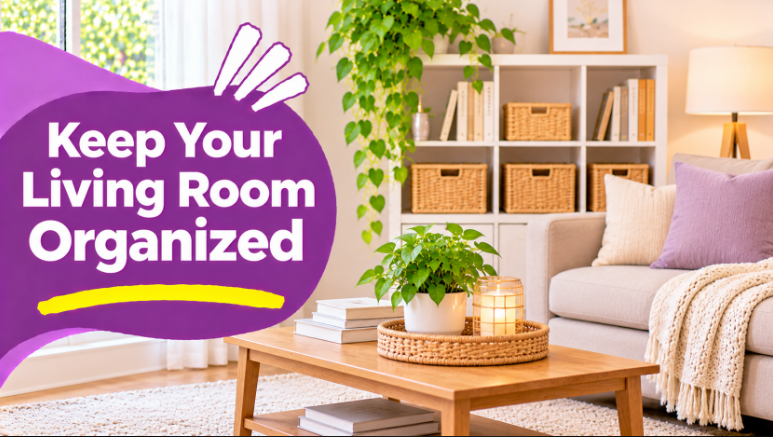
The living room is usually one of the busiest spaces in a home. It is where people relax, watch television, read, spend time together, and sometimes even work. With so many activities happening in one place, it is no surprise that blankets, books, remote controls, toys, and everyday belongings can quickly pile up.
You might tidy everything in the morning only to find the coffee table covered again by the evening. That does not mean your organization system is failing. It may simply need to work better with the way your household uses the room.
The good news is that keeping a living room organized does not require constant cleaning or expensive furniture. A few practical storage choices and easy habits can help the space stay comfortable and functional.
1. Give Everyday Items a Designated Place
One of the main reasons living rooms become cluttered is that frequently used items do not have a permanent home.
Think about what usually gets left behind: remote controls, books, charging cables, magazines, blankets, and small accessories.
Instead of moving these belongings from one surface to another, choose a specific place for each category.
For example:
- Keep remote controls in a small tray.
- Store magazines and books in a basket or on a shelf.
- Fold blankets in a designated basket.
- Keep charging accessories together in a suitable organizer.
- Return decorative items to their usual places after moving them.
The goal is to make putting things away just as convenient as taking them out.
2. Keep Your Coffee Table Simple
Coffee tables naturally attract clutter because they are within easy reach from the sofa. Drinks, mail, snacks, books, and miscellaneous belongings can quickly take over the surface.
You do not need to leave the table completely empty, but it helps to decide what deserves a permanent place there.
A simple arrangement might include:
- One decorative tray
- A small vase or plant
- One book or magazine
- Enough open space for everyday use
When the table starts collecting unrelated items, take a moment to return them to their proper locations.
This small habit can make the entire living room feel more orderly without requiring you to reorganize the furniture.
3. Use Baskets for Items That Move Around
Some living room belongings are used throughout the day and are not always easy to store individually.
A basket can be useful for blankets, children's books, small toys, or other frequently used accessories.
However, avoid filling every corner with containers. Too many baskets can become another source of visual clutter.
Choose a few that fit naturally into your existing furniture arrangement. If possible, give each basket a specific purpose so you know what belongs inside.
For a more detailed approach to storage planning, see RONA's Home Organization and Storage Guide, which discusses grouping similar belongings and using furniture and storage solutions efficiently.
4. Make Your Shelves Look More Organized
Open shelves can display books, photographs, plants, and decorative objects, but they can also become crowded when every available space is filled.
Start by removing items that do not belong in the living room. Then group similar belongings together.
A balanced shelf might include:
- A small group of books
- A few meaningful decorative objects
- One or two storage baskets
- A plant or framed photograph
Leave some open space between groups rather than filling every shelf completely.
If you have many small belongings to store, closed cabinets or drawers may be more practical than displaying everything.
Remember that shelves should serve a purpose. They do not need to hold every decorative item you own.
5. Keep Cables and Electronics Under Control
Television and entertainment areas can become messy because of charging cables, game accessories, remote controls, and electronic equipment.
Start by identifying which cables and accessories you actually use.
You can then:
- Group suitable cables together.
- Use cable-management accessories designed for your equipment.
- Keep small electronic accessories in a designated drawer.
- Store game controllers in one accessible location.
- Avoid leaving unused devices on the television stand.
Make sure any cable-management solution is suitable for the equipment and does not interfere with ventilation, electrical connections, or access to outlets.
A tidy entertainment area makes the whole room look more intentional.
6. Create a Storage System for Shared Belongings
When several people use the living room, organization becomes easier if everyone understands where shared items belong.
For example, one basket might hold board games, another could store children's books, and a small cabinet could contain frequently used entertainment accessories.
If household members have their own belongings in the room, consider assigning each person a small designated storage space.
The system should be easy enough for everyone to follow. If putting something away requires opening several containers or moving furniture, people are less likely to maintain the arrangement.
Professional organizers interviewed by HGTV in its guide to maintaining an organized living room also highlight the importance of managing papers, cords, and everyday belongings before they accumulate.
7. Make Room for Comfortable Movement
An organized living room is not only about where things are stored. The layout also matters.
Look at the main walking paths between the entrance, sofa, television, and other frequently used areas.
Make sure:
- Furniture does not unnecessarily block walkways.
- Storage baskets do not create obstacles.
- Everyday belongings are easy to reach.
- Doors and drawers can open properly.
- Frequently used surfaces remain accessible.
If the room feels crowded, consider removing furniture or decorative objects that do not serve a useful purpose.
Sometimes a little more open floor space makes a bigger difference than adding another storage unit.
8. Try a Five-Minute Evening Reset
You do not need to clean the entire living room every night. A short reset can be enough to keep everyday clutter from accumulating.
Before finishing the day, try this simple routine:
- Return remote controls and accessories to their places.
- Fold blankets and arrange cushions.
- Put books and magazines away.
- Collect cups and dishes.
- Clear the coffee table.
- Return belongings that belong in other rooms.
If you share the space, everyone can help return their own belongings.
AARP's guide, 12 Ways to Stop Clutter Before It Starts, also emphasizes creating designated places for belongings and building consistent habits to prevent clutter from returning.
9. Review the Room Once a Week
Even with daily habits, some items will gradually accumulate.
Choose one day each week to review a small part of the living room. Check a drawer, storage basket, bookshelf, or entertainment cabinet.
Ask yourself whether everything still belongs there and whether the storage arrangement is working.
Move misplaced items, remove unnecessary packaging, and decide what to do with belongings you no longer need.
You do not have to reorganize the entire room every week. A short review can help you catch small problems before they become larger projects.
Final Thoughts
Keeping your living room organized every day is not about making the space look perfect. It is about creating a room that feels comfortable, works for everyone who uses it, and is easy to tidy after everyday activities.
Give frequently used belongings a permanent home, keep surfaces practical, organize cables, and choose storage that suits your household.
Start with one small change, such as clearing the coffee table or creating a basket for blankets. Once that becomes part of your routine, maintaining an organized living room can feel much more natural.
Leave a Reply