
How to Keep Your Home Storage Areas Organized
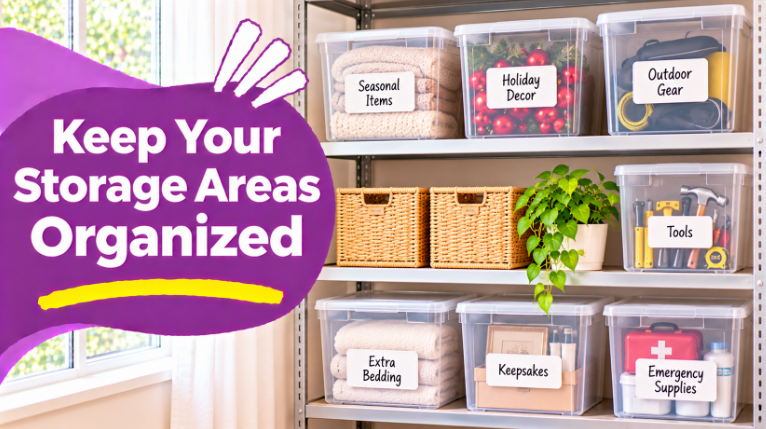
Storage areas have a funny way of becoming the places where everything ends up. An extra blanket goes into a closet, holiday decorations get pushed onto a shelf, and a box of things you might need someday gets tucked into a corner.
Before long, it becomes difficult to remember what is stored where. Finding one item can mean moving several boxes, opening containers, and searching through belongings you have not seen in months.
The solution is not necessarily adding more shelves or buying dozens of storage bins. A good storage system starts with knowing what you own, grouping similar belongings, and giving everything a designated place.
Whether you use a hallway closet, a spare room, a garage, or a basement, these practical ideas can help you keep your storage areas organized over time.
1. Start by Choosing One Storage Area
If you have several storage spaces, avoid trying to organize all of them at once.
Choose one area that needs attention, such as:
- A linen closet
- A hallway storage cabinet
- A spare-room closet
- A basement storage section
- A garage shelving unit
Look at what is stored there and identify the biggest problem. Perhaps boxes are difficult to identify, seasonal belongings are mixed together, or frequently used items are hard to reach.
Starting with one manageable section makes it easier to finish the project without creating more clutter in other rooms.
2. Sort Belongings Before Rearranging Them
Before moving containers around, review what you actually have.
Group similar belongings together so you can see how much space each category requires.
Useful categories might include:
- Seasonal decorations
- Extra bedding and linens
- Travel accessories
- Outdoor and recreational supplies
- Keepsakes and photographs
- Household maintenance supplies
Separate belongings you want to keep from items that need to be relocated, donated, recycled, or discarded.
If you find something important, sentimental, or belonging to another household member, check before deciding what to do with it.
The University of Georgia Extension guide to household clutter recommends sorting belongings into clear categories and assigning useful items specific storage locations.
3. Create Zones for Different Categories
Once you know what needs to stay, divide your storage area into simple zones.
For example, a hallway closet might have one section for extra linens, another for seasonal accessories, and a shelf for occasional household supplies.
A larger storage room could include separate areas for:
- Holiday decorations
- Sports and outdoor equipment
- Travel belongings
- Keepsakes
- Extra household items
Keep related belongings together instead of spreading them across several shelves.
This makes it easier to find things later and helps prevent duplicate purchases because you can see what you already own.
4. Choose Storage Containers That Make Sense
You do not need every container to match. The most useful storage products are the ones that fit your belongings and the space available.
Consider these options:
Clear plastic bins: Helpful for identifying contents without opening every container.
Woven baskets: Suitable for lightweight items such as blankets or accessories.
Fabric storage bags: Useful for appropriate clothing and linens.
Labeled boxes: Practical for categories that do not need to be accessed frequently.
Before purchasing anything, measure your shelves and check the dimensions of the containers.
Make sure lids close properly and that stored items are clean and completely dry. For belongings that need special protection, follow the manufacturer's storage recommendations.
5. Label Containers Clearly
Labels can save a surprising amount of time, especially when several containers look alike.
Instead of writing general descriptions such as "Miscellaneous," use specific labels.
For example:
- Winter Decorations
- Extra Bed Sheets
- Travel Accessories
- Summer Items
- Family Keepsakes
You can also add a short list of contents if a container holds several different items.
Place labels where they are easy to see without removing the box from the shelf.
If you change what is inside a container, remember to update its label. An accurate label is much more useful than a beautifully designed one that no longer matches its contents.
6. Store Frequently Used Items Within Easy Reach
Not everything needs to be stored in the most accessible location.
Think about how often you use each category and arrange your shelves accordingly.
Frequently used belongings should be kept in convenient locations, while occasional-use and seasonal items can go in less accessible storage areas.
For example:
- Extra bedding can stay on an accessible linen shelf.
- Seasonal decorations can be stored together until needed.
- Travel accessories can be grouped in one designated container.
- Rarely used keepsakes can be stored in an appropriate protected location.
Keep heavier containers on lower, stable shelves and lighter belongings higher up. Do not overload shelves or stack containers in a way that makes them unstable.
Ask a qualified adult or professional for help with installing shelving or reaching difficult storage areas.
7. Pay Attention to Moisture and Storage Conditions
An organized storage space should also be suitable for the belongings kept inside it.
Basements, garages, and other storage areas can experience changes in temperature and humidity.
Check the space periodically for leaks, dampness, condensation, or musty odors. Keep stored belongings off floors where moisture may collect, and use containers appropriate for the environment.
The U.S. Environmental Protection Agency's guide to mold, moisture, and your home explains why moisture control and addressing water problems promptly are important.
Avoid storing delicate documents, photographs, or fabrics in damp areas. Choose a dry, suitable location and follow any special storage recommendations.
8. Make a Simple Storage Inventory
If you have several storage areas, keeping a basic inventory can make finding belongings much easier.
You do not need complicated software or a detailed spreadsheet.
A notebook or simple digital list can record:
| Storage location | Contents |
|---|---|
| Hall closet | Extra bedding and towels |
| Storage shelf A | Seasonal decorations |
| Storage shelf B | Travel accessories |
| Bedroom cabinet | Keepsakes and photographs |
Update the list whenever you move something or change a container's contents.
The University of Minnesota Extension's guide to developing a household inventory also explains how documenting household belongings can help people keep track of important possessions.
9. Review Storage Areas Every Few Months
Storage spaces do not need daily attention, but an occasional review helps prevent unnecessary accumulation.
Choose a convenient time every few months to:
- Check that labels are accurate.
- Return misplaced belongings.
- Review items you no longer need.
- Check containers for damage.
- Look for signs of moisture.
- Make sure frequently used items remain accessible.
You can also review seasonal belongings before the time of year when you normally need them.
Final Thoughts
Keeping home storage areas organized is less about having perfect shelves and matching containers and more about knowing where your belongings are.
Start with one space, group similar items together, choose suitable containers, and label everything clearly. Then create a simple routine for checking your storage areas throughout the year.
You do not have to organize everything in one weekend. Small improvements, made one section at a time, can turn crowded storage spaces into practical areas that are much easier to use.
Leave a Reply