
How to Keep Your Bathroom Organized With Simple Daily Habits
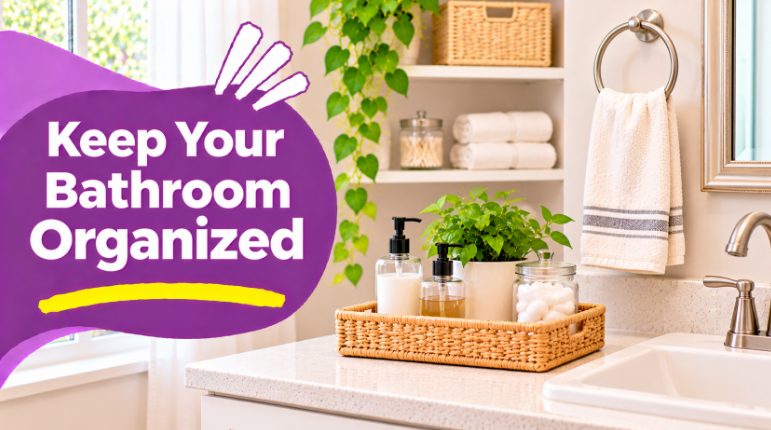
The bathroom is one of those spaces that can become messy without much effort. A few toiletries left on the sink, towels that never make it back onto the rack, and half-empty bottles in the shower can quickly make the room feel crowded.
You might organize everything one weekend, only to find the same clutter returning a few days later. The solution is not necessarily more cabinets or matching storage containers. Often, a few everyday habits are enough to keep things under control.
A bathroom should be easy to use, comfortable, and simple to maintain. Here are practical ways to keep yours organized without turning tidying up into another big household project.
1. Give Everyday Products a Permanent Place
Start by looking at the products you use every morning and evening. Toothbrushes, skincare, hair products, and personal-care essentials often end up scattered around the sink because they do not have a clear storage location.
Choose one designated place for each category.
For example:
- Keep daily skincare products together.
- Store toothbrushes and toothpaste in an appropriate holder.
- Group hair accessories in a small drawer organizer.
- Keep frequently used toiletries within easy reach.
- Store occasional-use products in a cabinet.
You do not need to hide everything. Keep the essentials accessible, but avoid allowing the countertop to become a permanent storage area.
2. Keep the Bathroom Countertop Simple
A crowded vanity can make even a clean bathroom look disorganized.
Take everything off the countertop and decide what genuinely needs to stay there. You might keep a soap dispenser, toothbrush holder, and one small tray for everyday essentials.
Move backup toiletries, extra bottles, and occasional-use products into cabinets or drawers.
If you like decorative accessories, choose just a few that do not interfere with the space you need for everyday activities.
A useful rule is to leave enough clear countertop space for washing your face, brushing your teeth, and getting ready comfortably.
3. Review Toiletries Before They Accumulate
Bathroom cabinets often become storage areas for products that are almost empty, forgotten, or purchased but never used.
Set aside a little time to review your supplies.
Look for:
- Empty containers
- Products you no longer use
- Unnecessary duplicates
- Damaged packaging
- Items that belong in another room
Check product instructions and storage recommendations before deciding what to keep. Do not assume that a product is still suitable simply because it looks normal.
The U.S. Food and Drug Administration explains in its guide to cosmetic shelf life and expiration dating that heat, moisture, and storage conditions can affect cosmetic products.
Keep products in their original packaging when possible, and follow the manufacturer's instructions.
4. Organize Drawers With Simple Categories
Bathroom drawers can quickly become a mixture of small accessories, personal-care products, and miscellaneous items.
Drawer dividers or small washable containers can help keep everything separated.
Try creating categories such as:
Daily essentials: Products used regularly.
Hair accessories: Brushes, combs, clips, and hair ties.
Personal-care accessories: Cotton rounds, cotton swabs, and other suitable items.
Extra supplies: Backup products and occasional-use belongings.
You do not need a separate organizer for every item. A few appropriately sized compartments are usually enough.
Before buying anything, measure your drawers and check whether containers you already own could work.
5. Make Better Use of Vertical Storage
When bathroom cabinets are small, unused wall space can provide additional storage.
Depending on the room layout, consider:
- Floating shelves
- Wall-mounted towel hooks
- A suitable cabinet above the vanity
- Small baskets on existing shelves
- Hooks for lightweight accessories
Keep frequently used items at convenient heights and avoid overcrowding shelves.
Make sure anything installed on a wall is properly secured and suitable for bathroom conditions. Keep storage away from electrical fixtures and areas where it could interfere with normal bathroom use.
The goal is to create more usable storage without making the room feel crowded.
6. Give Towels and Laundry a Designated Place
Towels are another common source of bathroom clutter.
Instead of leaving clean towels on the vanity or folded over furniture, choose a consistent storage location.
You could:
- Fold clean towels on an appropriate shelf.
- Use a basket for extra hand towels.
- Install suitable hooks for towels in use.
- Place dirty towels in a designated laundry hamper.
Make sure towels dry properly between uses. Avoid leaving damp fabrics packed tightly in closed baskets or cabinets.
A simple towel routine makes the bathroom look tidier and helps prevent unnecessary piles from forming.
7. Keep the Shower Area From Becoming Crowded
Shampoo bottles, conditioners, soaps, and other shower products can accumulate surprisingly quickly.
Review what you actually use and remove empty containers. Group remaining products in a suitable shower organizer or designated shelf.
Choose storage that allows water to drain and surfaces to dry. Avoid overcrowding the shower area with products that are rarely used.
After showering, allow the area to dry properly and return products to their designated locations.
8. Pay Attention to Bathroom Moisture
An organized bathroom should also be easy to keep dry.
Bathrooms naturally collect moisture from showers and baths, so ventilation and regular maintenance matter.
When available, use the bathroom exhaust fan during and after showering. Opening a window can also help when conditions allow.
The U.S. Environmental Protection Agency's guide to mold, moisture, and your home recommends increasing bathroom ventilation and addressing water problems promptly.
Health Canada also provides practical advice in its guide to addressing moisture and mould indoors, including keeping bathroom surfaces dry and checking ventilation systems.
If you notice persistent leaks or moisture problems, ask a qualified adult or professional to help identify and address the source.
9. Create a Five-Minute Bathroom Reset
You do not need to reorganize the bathroom every evening. A short reset can help prevent everyday clutter from returning.
Try this simple routine:
- Return toiletries to their designated places.
- Clear unnecessary items from the vanity.
- Hang towels appropriately.
- Put dirty clothes in the laundry hamper.
- Check the shower area for empty containers.
- Leave frequently used surfaces tidy and dry.
These tasks are small enough to become part of your normal routine.
Final Thoughts
Keeping your bathroom organized does not require expensive storage products or constant cleaning. A few clear storage categories, a tidy countertop, properly stored towels, and simple daily habits can make the room much easier to maintain.
Start with one drawer or countertop and gradually build a routine that suits your household. When everyday products have a place and small messes are handled regularly, maintaining an organized bathroom becomes much more natural.
Leave a Reply