
Small Bedroom Storage Ideas Without Extra Furniture
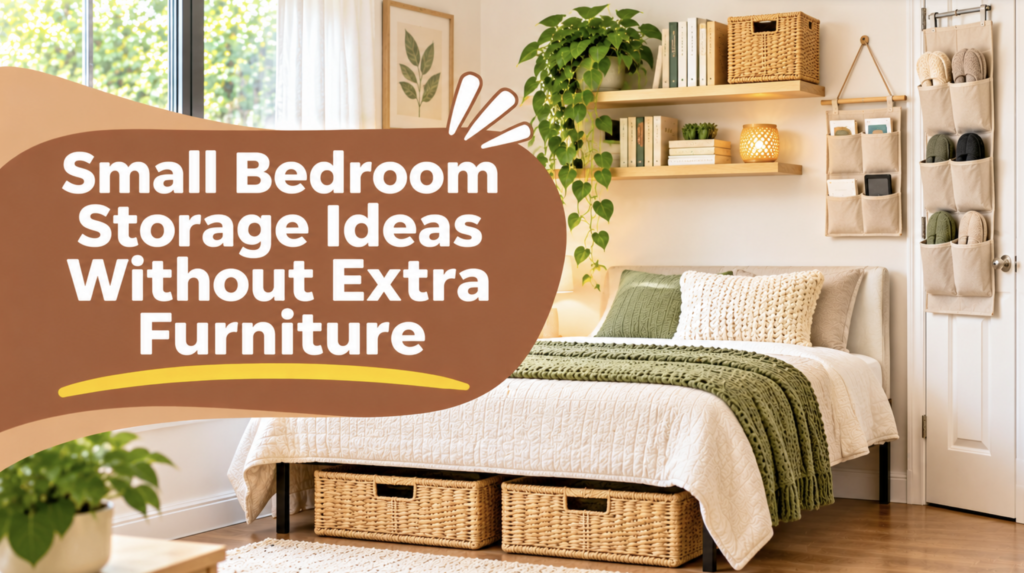
A small bedroom can feel crowded even when you don't own much. Clothes collect on the chair, books pile up beside the bed, and the dresser seems to run out of room no matter how often you organize it.
Before buying another storage unit, take a closer look at the furniture you already have. Your bed, dresser, nightstand, and closet may offer more usable storage than you realize.
The best way to create bedroom storage without extra furniture is to use overlooked spaces, reorganize existing drawers, and keep everyday belongings close to where you need them.
Here are practical ideas to make your bedroom easier to use without sacrificing valuable floor space.
1. Check the Space Beneath Your Bed
The area under your bed is one of the first places worth checking.
Measure the distance between the floor and the lowest part of the bed frame. Don't forget any support bars that could prevent containers from sliding underneath.
If you already own suitable boxes or baskets, use them for clean, dry items such as:
- Spare pillowcases and sheets.
- Seasonal clothing.
- Extra blankets.
- Occasionally used accessories.
Keep frequently needed belongings somewhere easier to reach.
Avoid using under-bed storage in areas with persistent moisture problems, and don't block heating or ventilation openings.
2. Reorganize Your Dresser Drawers
When dresser drawers feel full, the problem may be how everything is arranged.
Start with one drawer and remove its contents.
Group similar clothing together, then fold garments so individual pieces remain visible.
For example, placing folded T-shirts upright in rows can make it easier to find a particular shirt without disturbing the others.
Use existing small containers to separate socks and accessories if needed.
Don't force drawers shut when they're overfilled. Remove unnecessary items or move occasional-use belongings to another suitable location.
3. Make Your Nightstand More Useful
A nightstand should hold the things you actually need near your bed.
However, it's easy for this small surface to become crowded with books, receipts, chargers, and miscellaneous objects.
Keep the top simple: perhaps a lamp, water glass, and current book.
If your nightstand has drawers, use them for smaller belongings such as reading glasses or charging accessories.
Move unrelated paperwork and rarely used items elsewhere.
This frees up space without adding another piece of furniture.
4. Use Existing Wall Shelves More Effectively
If your bedroom already has wall shelves, reconsider how you're using them.
Instead of filling them entirely with decorations, reserve some space for lightweight belongings that need a permanent location.
Books, small accessories, and suitable containers may fit neatly on existing shelves.
Keep heavier objects on lower, stable surfaces.
Never exceed a shelf's weight limit, and make sure wall-mounted furniture is properly secured.
Avoid positioning heavy or fragile objects above your bed.
5. Give the Back of Your Door a Purpose
An unused bedroom door can sometimes provide practical storage.
If you already have an over-the-door organizer, it may be suitable for lightweight scarves, accessories, or other small belongings.
Check that the organizer doesn't damage the door or interfere with its operation.
Don't overload door-mounted storage with heavy bags or other unsuitable objects.
If installing an organizer would prevent the door from closing properly, choose another storage location.
Your door should remain fully functional.
6. Use Closet Space for Bedroom Essentials
Your closet doesn't have to store clothing exclusively.
When space allows, an upper shelf may accommodate spare bedding or lightweight seasonal accessories.
The important thing is keeping everyday clothes accessible.
Avoid placing bulky items where they interfere with hanging garments or closet doors.
For a detailed process, read our guide on how to organize a small closet.
A well-arranged closet can reduce the number of belongings that end up on bedroom furniture.
7. Stop Using Your Chair as a Closet
A bedroom chair often becomes the unofficial storage location for clothes that aren't ready for laundry but haven't been put away.
This creates a growing pile and makes the chair less useful.
Give reusable clothing a designated location based on your household's routine.
For example, suitable garments could return to their normal storage after being checked, while items needing washing go directly into a hamper.
Avoid mixing visibly dirty clothing with clean items.
The goal is to make clothing decisions easier instead of letting them accumulate.
8. Use Storage Compartments You Already Own
Some bed frames, benches, and other bedroom furniture include built-in storage.
If yours does, make sure those compartments serve a useful purpose.
A bed drawer might hold extra sheets, while a storage bench could accommodate suitable lightweight blankets.
Don't overload compartments or force oversized belongings inside.
If your apartment has no built-in closets, our article about organizing a small apartment with no closets covers additional clothing-storage options.
9. Keep the Floor as Clear as Possible
Storage should make your bedroom easier to use, not harder to walk through.
Check whether shoes, baskets, and miscellaneous objects are taking up unnecessary floor space.
Move belongings into appropriate existing storage locations whenever possible.
Keep a clear route between the bed, doorway, and other essential areas.
Avoid placing containers where you might trip over them when getting out of bed at night.
An uncluttered floor also makes routine cleaning easier.
10. Match Storage Locations to Your Daily Habits
A storage system works better when it reflects how you actually use your bedroom.
If you read before sleeping, keep your current book near the bed.
If you get dressed in front of the dresser, store everyday accessories nearby.
If laundry frequently collects beside the bed, reconsider where your hamper belongs.
There isn't one perfect arrangement for every bedroom.
The most practical setup makes frequently used items easy to retrieve and return.
A Simple Bedroom Storage Check
Before buying new furniture, ask yourself:
- Are there drawers or compartments I haven't organized properly?
- Can occasional-use items move away from everyday storage?
- Is my furniture arrangement blocking access to useful space?
- Are belongings collecting in places where they don't belong?
Start with whichever problem causes the most frustration.
You may find that reorganizing one drawer or clearing the floor makes a bigger difference than adding another organizer.
Final Thoughts
Finding more storage in a small bedroom doesn't have to involve purchasing furniture.
Start with the bed, dresser, nightstand, and closet you already own. Use available compartments thoughtfully and give everyday belongings convenient locations.
Keep walking paths clear and avoid filling every surface simply because space is available.
A bedroom feels more manageable when storage supports your routine instead of making ordinary tasks more complicated.
-
Pingback: How to Organize a Small Bedroom Dresser - The Organized Nook
Leave a Reply