
Under-Bed Storage Ideas for Small Bedrooms
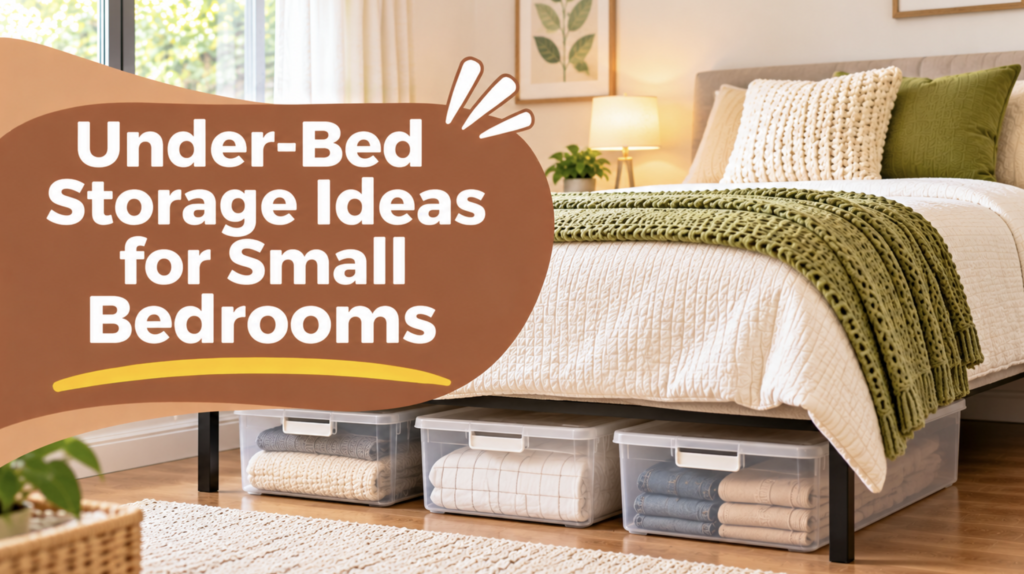
If your bedroom feels crowded, there may be useful storage space hiding right beneath your mattress. That empty area under the bed can hold extra bedding, seasonal clothing, and belongings you don't need every day.
But sliding random boxes underneath isn't always the best solution. Containers that are too tall, difficult to reach, or poorly suited to the room can turn a helpful storage area into another clutter problem.
The best under-bed storage ideas combine properly sized containers, organized belongings, and easy access. Here's how to make that space work without buying unnecessary furniture.
1. Measure the Space Before Buying Containers
Before choosing storage boxes, measure the distance between the floor and the lowest part of your bed frame.
Don't rely on the height of the bed's legs alone. Support beams and other structural components may reduce the available clearance.
Check three measurements:
- Height: How tall can your container be while still sliding underneath?
- Width: How much space is available between the bed's supports?
- Depth: Can you pull the container out without moving other furniture?
For example, if your bed has six inches of clearance, a container measuring exactly six inches tall probably won't slide comfortably.
Leave some room for movement, handles, and uneven flooring.
2. Choose Low-Profile Storage Bins
Low-profile containers are particularly useful for beds with limited clearance.
Clear plastic bins let you identify their contents without opening them. Fabric containers may be easier to handle and fold away when empty.
Choose the material based on what you're storing and the conditions in your bedroom.
Look for smooth edges, manageable weight, and lids that close properly.
Avoid purchasing several matching containers until you've confirmed that one fits beneath your bed and can be removed easily.
3. Store Seasonal Clothing Under the Bed
Seasonal clothing is a good candidate for under-bed storage because you don't need to access it every morning.
Fold clean winter sweaters, scarves, or warm-weather clothing into separate containers.
Keep similar garments together rather than mixing everything into one large box.
Label each container with a simple description, such as "Winter Clothing" or "Summer Accessories."
Make sure garments are completely dry before packing them away.
If you're working with limited wardrobe space, our guide on how to organize clothes without a dresser explains additional storage options.
4. Keep Extra Bedding Organized
Spare sheets, pillowcases, and lightweight blankets often take up valuable closet space.
Under-bed containers can provide a practical alternative.
Try keeping each sheet set together, including its matching pillowcases.
This way, changing your bedding doesn't involve searching through several containers.
Fold bulky items neatly rather than forcing them into a box that's too small.
For fabrics you use frequently, choose a container near the accessible side of your bed.
Avoid storing bedding in areas that feel damp or show signs of condensation.
5. Consider Rolling Containers for Easy Access
If you have sufficient clearance and a suitable floor surface, rolling storage containers can make retrieving belongings easier.
They're particularly helpful beneath larger beds where containers might otherwise be difficult to reach.
However, wheels add height, so include them when checking measurements.
Choose a container that's stable when pulled out and doesn't damage your flooring.
Rolling storage may be less practical on thick carpeting or uneven surfaces.
If you already own suitable containers, simple sliding bins may work just as well.
6. Use Flat Storage for Occasional Items
Not everything needs a deep storage box.
Flat containers can accommodate lightweight belongings such as spare pillowcases, folded fabric accessories, or suitable seasonal items.
Divide the contents into manageable groups instead of stacking unrelated objects together.
Keep frequently used belongings elsewhere.
For example, storing your everyday phone charger beneath the bed would make it unnecessarily inconvenient to retrieve.
If you're looking for additional places to organize belongings, explore our small bedroom storage ideas without extra furniture.
7. Protect Stored Items From Moisture
Before placing fabric containers under your bed, check the floor and surrounding area for moisture.
Look for water stains, condensation, unusual odors, or other signs of a damp environment.
Don't store clothing or bedding in an area with an unresolved moisture problem.
The U.S. Environmental Protection Agency's indoor moisture guidance explains why controlling moisture is important for preventing unwanted biological growth indoors.
Keep stored fabrics clean and dry, and inspect containers periodically.
Closed plastic bins are not a substitute for fixing dampness or water leaks.
8. Avoid Blocking Airflow and Essential Access
Storage should never interfere with important features of your bedroom.
Before sliding containers under the bed, check for heating vents, electrical equipment, and other areas that need ventilation or access.
Don't trap electrical cords beneath containers or place storage against equipment that generates heat.
Make sure stored items don't extend into walking paths.
If your bed has built-in drawers, confirm they can open without hitting nearby furniture.
Accessibility and safety matter more than using every inch of available space.
9. Keep Under-Bed Storage Easy to Maintain
An organized storage area can become frustrating when containers are packed too tightly.
Leave enough room to remove individual bins without pulling everything out.
Arrange containers according to how often you need their contents.
For example, keep spare bedding toward the front and rarely used seasonal items farther back.
Choose labels that remain visible from the accessible side.
If a container becomes too heavy to move comfortably, divide its contents between smaller bins.
10. Know What Not to Store Under Your Bed
Some belongings are better kept elsewhere.
Avoid storing:
- Wet clothing or damp towels.
- Open food or other items that may attract pests.
- Items that require regular supervision or special storage conditions.
- Heavy objects that are difficult to retrieve safely.
- Important documents in areas vulnerable to moisture.
Keep medications, household chemicals, and other potentially hazardous materials in their appropriate secured storage locations.
Under-bed storage works best for ordinary belongings that tolerate occasional use and don't require specialized conditions.
How to Get Started Without Overspending
You don't need to transform the entire space at once.
Start by measuring the available clearance and choosing one category of belongings to store.
If you already own a suitable container, try it before purchasing anything.
You may also find that rearranging your existing bedroom furniture improves access to the space.
For a broader approach, read our guide on how to organize a small closet before deciding which items should move beneath your bed.
Final Thoughts
Under-bed storage can make a small bedroom easier to organize, especially when closet and dresser space is limited.
Choose containers that fit properly, keep similar belongings together, and make sure everything remains clean, dry, and accessible.
The goal isn't to fill every empty inch beneath your bed. It's to create useful storage that makes your bedroom more comfortable and easier to maintain.
-
Pingback: How to Organize a Small Bedroom With Two Beds - The Organized Nook
Leave a Reply