
How to Organize a Small Apartment With No Closets
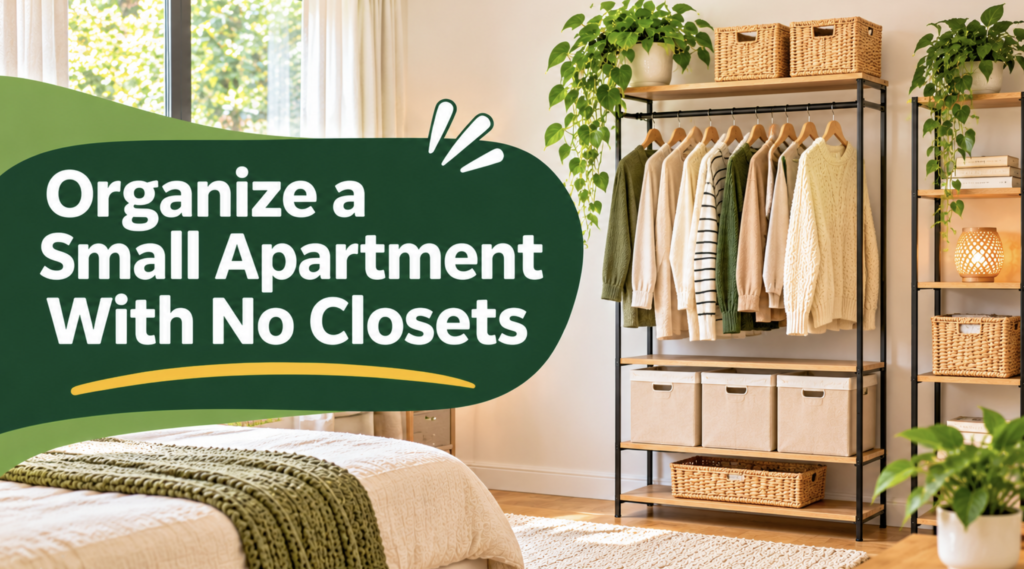
Moving into an apartment with no closets can feel like solving a puzzle with missing pieces. You have clothes to hang, shoes to store, extra bedding to put away, and nowhere obvious to keep everything.
The solution isn't necessarily buying a large wardrobe. You can organize a small apartment without closets by combining a compact clothing rack, drawer storage, under-bed containers, and designated spaces for everyday essentials.
The important part is choosing storage that fits your apartment without making it difficult to move around.
Here's how to make that work.
1. Decide What Needs Hanging Space
Before choosing a clothing rack, look through your wardrobe.
Not every piece of clothing needs to hang. T-shirts, jeans, pajamas, and many sweaters can be folded, while jackets, dresses, and wrinkle-prone shirts generally benefit from hangers.
Separate your clothing into three groups:
- Clothes that need hanging space.
- Clothes that can be folded.
- Seasonal items you rarely use.
This gives you a realistic idea of how much hanging storage you actually need.
For example, if most of your wardrobe consists of casual clothing, a compact rack and a small dresser may be more practical than a full-size wardrobe.
2. Use a Freestanding Clothing Rack
A freestanding clothing rack is one of the simplest alternatives to a built-in closet.
Look for a sturdy model that fits against an available wall without blocking windows, doors, or walking paths.
Measure the width, depth, and height before buying one. Remember that hanging clothes will extend beyond the rack itself.
Keep frequently worn garments together so they're easy to find.
Avoid overloading the rail, and follow the manufacturer's weight and assembly instructions.
If an open rack makes your room feel visually crowded, reduce the number of displayed garments rather than trying to squeeze everything onto it.
3. Make Existing Drawers Work Harder
If you already own a dresser, organize its drawers before purchasing additional furniture.
Assign each drawer a specific purpose.
For example:
- Top drawer: Socks and underwear.
- Second drawer: T-shirts and everyday tops.
- Third drawer: Pants and casual clothing.
- Bottom drawer: Sleepwear or workout clothes.
Fold garments so you can see individual items without disturbing the entire stack.
Drawer dividers can help with smaller accessories, but appropriately sized containers you already own may work just as well.
For broader organization strategies, read our guide on organizing a small apartment without buying more furniture.
4. Store Seasonal Clothing Under the Bed
When closet space is unavailable, the area beneath your bed becomes particularly useful.
Low-profile storage containers can hold winter sweaters, extra bedding, and clothing you won't need for several months.
Measure the available clearance, including bed supports, before selecting containers.
Wash and completely dry clothing before storing it.
Choose a storage location that stays dry, and avoid forcing containers into areas with poor ventilation or signs of moisture.
Keep everyday clothing somewhere more accessible so you aren't constantly pulling boxes out from beneath your bed.
5. Create a Dedicated Shoe Storage Area
Without a closet, shoes often end up scattered near the bed or apartment entrance.
Choose one location for the pairs you wear most often.
A compact shoe rack, an existing shelf, or the lower compartment of a suitable furniture piece can keep shoes together.
Place occasional-use shoes in labeled containers elsewhere.
If your apartment has a narrow entrance, our guide to small entryway organization ideas explains how to manage shoes and accessories without crowding the doorway.
Avoid placing shoe storage where it creates a tripping hazard.
6. Keep Bedding in One Designated Place
Extra sheets, blankets, and pillowcases can take up considerable space.
Rather than spreading them across multiple containers, choose one practical storage area.
You might use an existing dresser drawer, a storage ottoman, or a suitable under-bed container.
Store matching sheet sets together so you don't have to search through several piles when changing the bed.
Make sure bedding is clean and dry before putting it away.
If space is extremely limited, consider keeping only the spare sets you realistically need.
7. Use Shelving for Folded Clothing
A sturdy shelving unit can substitute for some functions of a closet.
It may hold folded sweaters, accessories, or labeled fabric bins.
Use lower shelves for heavier belongings and items you need regularly.
Keep lighter, less frequently used objects higher up.
Follow the furniture's load limits and anti-tip instructions.
For apartments where the bedroom and living area share one room, our studio apartment storage guide explores ways to organize furniture around different activities.
8. Create a Home for Bags and Accessories
Handbags, belts, scarves, and hats often become clutter because they don't have assigned storage locations.
Group smaller accessories inside a drawer or suitable container.
Frequently used bags can hang from appropriately installed hooks, provided they don't obstruct movement.
Avoid hanging heavy bags from unsupported fixtures.
Keep occasional-use accessories together rather than distributing them throughout the apartment.
When everything has a consistent location, getting ready in the morning becomes much easier.
9. Avoid Buying Too Many Organizers
It's tempting to solve every storage problem with another basket or shelf.
But organizers still occupy space.
Before purchasing anything, ask whether it will accommodate belongings that currently lack a proper home.
Consider whether the organizer will remain accessible once other furniture is in place.
For example, a second clothing rack may create more problems if it blocks a dresser drawer.
Use the storage you already have first, then add only what your apartment genuinely needs.
10. Maintain a Simple Clothing Routine
Even a carefully organized apartment can become cluttered when clothes pile up on chairs or beside the bed.
Create an easy routine for handling worn clothing.
Put clean clothes away promptly, keep laundry in a designated hamper, and return accessories to their assigned locations.
Review your storage occasionally to identify items you no longer use.
The goal isn't to maintain a perfectly arranged wardrobe. It's to make everyday life easier without spending unnecessary time searching for belongings.
Final Thoughts
Living in a small apartment without closets requires a little creativity, but it doesn't have to mean living with piles of clothing everywhere.
Start by separating hanging clothes from folded garments. Then use available drawers, shelving, and under-bed areas to create a storage system that fits your space.
Choose practical solutions, keep walkways clear, and avoid adding furniture unless it serves a genuine purpose.
With a few thoughtful changes, an apartment without built-in closets can still feel comfortable, organized, and easy to maintain.
Leave a Reply