
How to Organize a Small Kitchen on a Budget: 12 Affordable Ideas
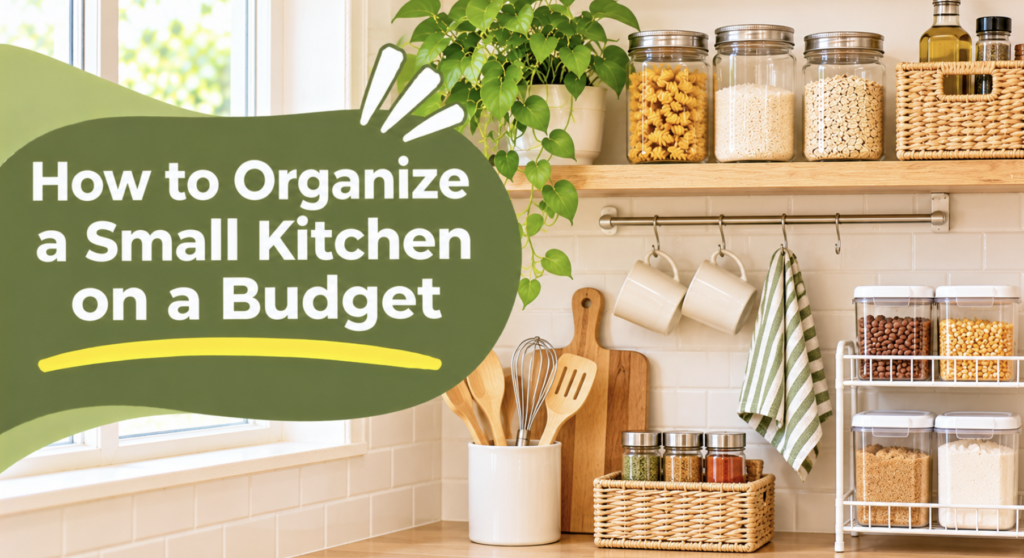
A small kitchen can feel crowded when cabinets are full, countertops have limited space, and everyday items are difficult to reach. The good news is that creating a more organized kitchen does not require expensive cabinets, custom shelving, or a complete makeover. With a few practical changes, you can make better use of the storage you already have.
The key is to start with what you own, remove unnecessary clutter, and choose affordable solutions only when they solve a specific problem. These budget-friendly ideas can help you organize a small kitchen while keeping your space functional and easy to maintain.
1. Declutter Before Buying Storage Products
Before purchasing containers, baskets, or organizers, take time to review what is already in your kitchen. Adding storage products without removing unused items can make crowded cabinets even more difficult to manage.
Start with one area, such as a single drawer or cabinet. Remove the contents and sort them into simple groups:
- Items you use regularly
- Items you use occasionally
- Duplicate tools or dishes
- Items that are damaged or no longer useful
Keep the things that support your normal cooking routine. Donate suitable items that are still in good condition, and dispose of damaged items appropriately.
Working one section at a time makes the process easier and helps you identify how much storage space you actually need.
2. Reuse Containers You Already Have
You may not need to purchase a matching set of storage containers. Clean jars, sturdy food containers, and small baskets can often serve useful purposes around the kitchen.
For example, a clean jar can hold wooden spoons, while a small basket can group seasoning packets or baking supplies. Reusable containers with secure lids may also help organize suitable dry ingredients.
Before reusing any container for food, make sure it is clean, completely dry, and appropriate for food storage. Keep original product labels or clearly identify the contents, especially when ingredients could be confused with one another.
The goal is to give existing items a useful purpose instead of buying something new for every organizing task.
3. Create Simple Zones in Your Cabinets
A well-organized kitchen is easier to use when similar items are stored together. You do not need expensive cabinet systems to create practical zones.
Consider dividing your cabinets into areas such as:
- Cooking zone: pots, pans, utensils, and frequently used cookware
- Dish zone: plates, bowls, and glasses
- Food zone: packaged ingredients and suitable dry goods
- Baking zone: measuring cups, mixing tools, and baking supplies
Place frequently used items where they are easy to reach. Less frequently used equipment can go on higher shelves or in less accessible spaces, provided it can be retrieved safely.
For more ideas, see our guide on how to organize kitchen cabinets for everyday use.
4. Use Affordable Drawer Dividers
Kitchen drawers often become cluttered because utensils, tools, and small accessories are stored together. Drawer dividers can help, but you do not need a costly custom organizer.
Look for inexpensive adjustable dividers or small containers that fit inside the drawer. You can also repurpose suitable, clean organizers you already own.
Group similar items together, such as cooking utensils, measuring tools, and everyday cutlery. Avoid filling every section simply because space is available. Leave enough room to remove items without disturbing everything else.
If your drawers are especially crowded, our guide on how to organize kitchen drawers offers more detailed ideas.
5. Make Better Use of Vertical Space
When counter and cabinet space are limited, vertical storage can help you use areas that might otherwise remain empty.
Depending on your kitchen layout, consider:
- A shelf riser inside a cabinet
- A wall-mounted rail for suitable utensils
- Hooks for lightweight mugs
- A compact rack for cutting boards
- A narrow shelf for frequently used spices
Start by measuring the available space before buying anything. Check that the product is appropriate for its intended use and can be installed securely.
Avoid placing heavy objects on unstable shelves or hanging items where they could fall near cooking areas.
6. Organize the Pantry Without Buying Matching Bins
A small pantry does not need a collection of decorative containers to look organized. The most important thing is being able to see what you have and access it easily.
Group similar foods together, such as breakfast ingredients, canned goods, snacks, and baking supplies. Use existing baskets or small boxes to keep categories together when they are clean, sturdy, and suitable for the location.
Keep food in its original packaging when that is the best way to preserve product information and storage instructions. If you transfer dry ingredients into containers, label them clearly and follow the manufacturer's storage recommendations.
For additional guidance, read our article about small pantry organization ideas for beginners.
7. Keep Countertops Clear With a Small Daily-Use Area
A crowded countertop can make even a functional kitchen feel smaller. Instead of trying to store everything within reach, choose a few items that genuinely need to stay out.
You might keep a utensil holder, a small tray for frequently used seasonings, or an appliance you use regularly. Store occasional-use appliances in an appropriate cabinet when space allows.
A tray can help group small items in one defined area, making the counter easier to clean. However, avoid placing food, utensils, or appliances too close to heat sources or areas where water may collect.
If your counter is the main source of clutter, explore how to organize a small kitchen countertop without clutter.
8. Set a Small Budget and Prioritize Purchases
Once you have decluttered and rearranged your kitchen, identify the problems that remain. You may discover that only one or two inexpensive products would make a noticeable difference.
Write down what you need before shopping. For example, you might need one shelf riser, a drawer divider, or a basket for a specific cabinet.
Compare measurements, materials, and product features rather than choosing something only because it looks attractive. A low-cost organizer that does not fit your cabinet is not a useful purchase.
You can also organize the kitchen gradually. Improve one cabinet or drawer at a time instead of trying to change the entire room in one weekend.
9. Maintain the Organization With Simple Habits
An affordable kitchen organization system works best when it is easy to maintain. A few small habits can prevent clutter from building up again.
After cooking, return utensils and ingredients to their designated areas. Review food supplies before shopping so you can use items you already have. Remove unnecessary packaging when appropriate, while keeping important product and safety information available.
Once a week, spend a few minutes checking the busiest drawer, cabinet, or countertop. Small adjustments are easier than reorganizing the entire kitchen after it becomes crowded.
Final Thoughts
Organizing a small kitchen on a budget is mostly about making thoughtful use of the space and supplies you already have. Decluttering, grouping similar items, reusing suitable containers, and creating simple storage zones can make everyday tasks easier without requiring an expensive makeover.
Start with one small area, identify what is not working, and make changes gradually. When every item has a practical place, your kitchen can become easier to use, easier to clean, and more comfortable to work in—regardless of its size or budget.
Leave a Reply