
How to Organize a Small Apartment Without Buying More Furniture
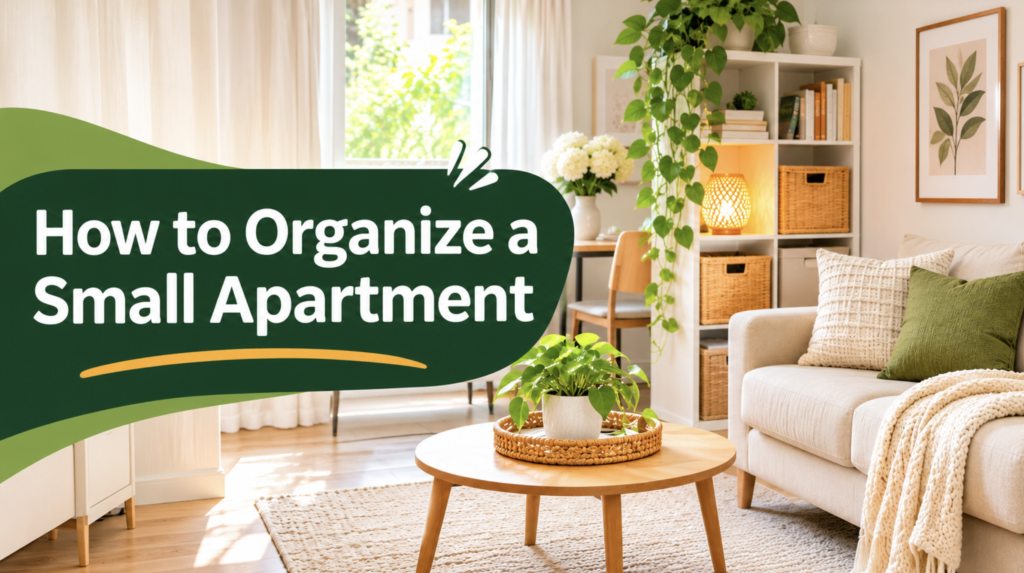
Living in a small apartment doesn't mean you need more furniture to stay organized. Often, the real challenge is making better use of the storage, surfaces, and floor space you already have.
The simplest way to organize a small apartment without buying more furniture is to remove unnecessary items, assign specific storage areas, and rearrange existing belongings based on how often you use them.
Whether you live in a studio or a one-bedroom apartment, these practical steps can help you create a more functional home without spending money on additional furniture.
1. Start by Identifying Your Biggest Clutter Problems
Before reorganizing anything, walk through your apartment and identify where clutter regularly collects.
Common problem areas include:
- Kitchen counters covered with everyday items.
- Chairs used to store clothing.
- Entryways crowded with shoes and bags.
- Closets filled with rarely used belongings.
- Tables covered with paperwork and miscellaneous objects.
Choose one problem area instead of attempting to organize your entire apartment at once.
For example, if your dining table frequently becomes a storage area, identify which objects belong there and which need permanent homes elsewhere.
Practical tip: Take a photo of the area before reorganizing. Comparing it with the finished space can help you evaluate whether your changes improved accessibility and reduced clutter.
2. Declutter Before Rearranging Your Furniture
Organizing unnecessary belongings only moves clutter from one location to another.
Start with a single drawer, shelf, or cabinet. Remove everything and separate the contents into four groups:
- Items you use regularly.
- Items you need occasionally.
- Items you can donate or give away.
- Items that should be recycled or discarded.
Be realistic about what deserves valuable storage space.
For example, keeping six reusable shopping bags near your entrance might be unnecessary if you consistently use only two. Store the extras elsewhere or consider whether you need them.
Avoid discarding important paperwork, essential supplies, or belongings shared with other household members without checking first.
3. Use Existing Furniture for Multiple Purposes
One of the easiest ways to organize a small apartment is to make existing furniture serve more than one function.
A bookshelf doesn't have to hold only books. It might also accommodate paperwork, small electronics, and everyday essentials.
Consider these practical adjustments:
- Use a dresser drawer for office supplies if you don't have a desk.
- Keep neatly folded blankets on an accessible shelf.
- Assign part of a cabinet to household paperwork.
- Use an existing side table to hold items needed near the sofa.
The goal isn't to fill every empty surface. Instead, give frequently used belongings convenient, designated places.
Keep heavier objects on lower shelves and avoid overloading furniture.
4. Rearrange Your Layout to Improve Movement
A small apartment can feel crowded when furniture interrupts natural walking paths.
Before moving anything, observe how you travel between the entrance, kitchen, seating area, and bedroom.
Ask yourself:
- Does a table block access to a cabinet?
- Can doors and drawers open completely?
- Are there unnecessary obstacles between frequently used areas?
Try repositioning existing furniture to create clearer pathways.
For example, moving a side table closer to the sofa may free up floor space near a doorway.
You can sketch a simple floor plan before making changes. Include furniture dimensions, door swings, and any areas that must remain accessible.
Never block exits, ventilation openings, or access to essential equipment.
5. Make Better Use of Your Closet Space
Closets often become crowded because different categories of belongings are stored together without a clear system.
Begin by grouping similar items.
Keep everyday clothing within easy reach, occasional-use items farther back, and seasonal belongings in appropriate existing storage areas.
If your closet already contains shelves, assign each shelf a purpose.
For example:
| Closet Area | Suggested Use |
|---|---|
| Upper shelf | Lightweight seasonal items |
| Hanging section | Frequently worn clothing |
| Lower shelf | Folded clothes or accessories |
| Closet floor | Shoes and suitable existing storage containers |
Avoid stacking items so high that they become unstable.
The best closet arrangement makes frequently used belongings easy to retrieve without disturbing everything else.
6. Organize Your Kitchen by Frequency of Use
Small kitchens benefit from organized cabinets more than crowded countertops.
Start by identifying the cooking tools, dishes, and appliances you actually use throughout the week.
Place everyday essentials in accessible cabinets or drawers.
Move rarely used cookware and serving dishes to less convenient storage locations.
Keep countertops reserved for activities such as food preparation, rather than permanent storage whenever possible.
For example, if you use a blender only occasionally, storing it inside a cabinet may free valuable preparation space.
Avoid placing heavy cookware on high shelves or blocking access to electrical outlets.
A functional kitchen should make cooking and cleaning easier, not simply look empty.
7. Create a Simple Entryway System
Even a small entryway needs a clear place for everyday essentials.
Without a system, keys, bags, shoes, and mail can quickly spread into nearby rooms.
You don't necessarily need an entryway cabinet.
Instead, designate an existing drawer, shelf, or suitable surface for items you use when leaving home.
Keep only frequently worn shoes near the entrance and return other pairs to their regular storage locations.
If you use a basket or container you already own, make sure it doesn't obstruct the doorway.
A consistent entryway routine can prevent clutter from spreading throughout your apartment.
8. Maintain Your Apartment With a Daily Reset
An organized apartment becomes easier to manage when items are returned to their assigned places.
Set aside approximately five to ten minutes each evening for a simple reset.
Return clothing to the closet, clear unnecessary objects from tables, put kitchen items away, and organize anything left near the entrance.
This isn't about making your apartment look perfect.
It's about preventing small amounts of clutter from becoming larger organizing projects.
If an item repeatedly ends up in the wrong place, reconsider whether its assigned storage location is convenient enough.
Final Thoughts
Organizing a small apartment doesn't require expensive storage furniture or a complete room makeover.
Start by reducing unnecessary belongings, improving access to existing storage, and arranging furniture around your daily activities.
Focus on one area at a time and choose systems that are easy to maintain.
A well-organized small apartment isn't one where everything is hidden. It's a space where the belongings you need have practical places and your rooms support how you actually live.
-
Pingback: How to Create More Storage in a Studio Apartment - The Organized Nook
Leave a Reply