
Small Apartment Dining Area Organization Ideas
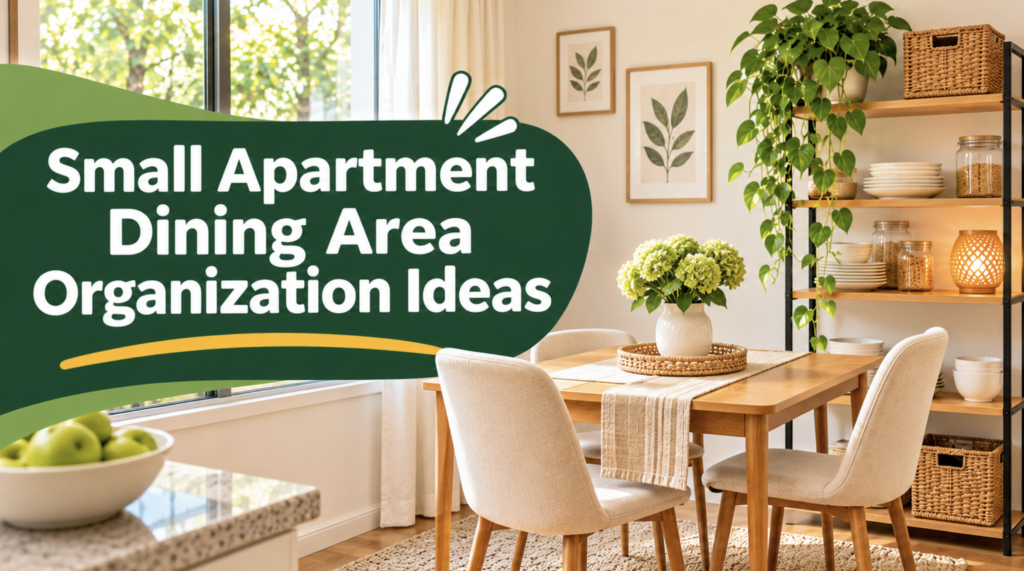
A small dining area can become cluttered faster than you expect. One day, your table is ready for dinner. The next, it's covered with unopened mail, laptop chargers, grocery bags, and things that don't have a proper home.
When your dining space is part of the kitchen or living room, keeping it organized takes a little planning.
The best approach is to keep the table usable, store dining essentials nearby, and choose furniture arrangements that leave enough room to move around comfortably.
These small apartment dining area organization ideas can help you create a practical space for everyday meals, even when you don't have a separate dining room.
1. Keep Your Dining Table Ready for Meals
Your dining table should be easy to use without requiring a major cleanup before every meal.
Start by removing anything that doesn't belong in the dining area.
Move paperwork to your desk, return kitchen supplies to their cabinets, and find another location for miscellaneous belongings.
If you enjoy having decorations on the table, keep them simple.
A small plant or centerpiece may be enough. Large arrangements can take up valuable space and make serving food inconvenient.
Practical tip: Try to leave most of the tabletop clear when it's not being used. That way, preparing for a meal takes only a moment.
2. Choose Furniture That Fits Your Available Space
A dining table that looks compact in a showroom may still feel oversized in a small apartment.
Before rearranging or replacing furniture, measure the available floor space.
Account for the chairs when they're pulled out, nearby cabinet doors, and the routes people use to walk through the room.
For example, pushing a table against a wall may create more usable space when only one or two people eat there regularly.
If your dining area connects directly to the living room, our guide on organizing a small apartment without buying more furniture offers additional layout suggestions.
3. Use a Small Cart for Dining Essentials
When kitchen cabinets are crowded, a compact rolling cart can provide storage for selected dining supplies.
Depending on its design, a cart might hold:
- Napkins and placemats.
- Lightweight serving dishes.
- Frequently used table accessories.
- Reusable food containers.
Choose a location where the cart doesn't block chairs, doors, or walking paths.
Before buying one, measure both the available gap and the space needed to pull it out.
If your existing cabinets have enough capacity, reorganizing them may be a better choice than adding furniture.
4. Organize Nearby Shelves by Purpose
Open shelves can help keep dining essentials within reach, especially in apartments without a dedicated dining cabinet.
The important part is giving each shelf a clear purpose.
You might use one shelf for everyday dishes, another for serving accessories, and a lower compartment for suitable storage baskets.
Avoid overcrowding shelves with decorations and rarely used objects.
Keep heavier items on lower levels and follow the manufacturer's weight limits and anchoring instructions.
For more ways to use existing storage, explore these small apartment storage ideas.
5. Make a Shared Dining and Work Table More Practical
In many small apartments, the dining table also serves as a workspace.
That's perfectly reasonable, but problems arise when office supplies remain scattered across the surface.
Use a portable container for notebooks, chargers, pens, and other work essentials.
When it's time to eat, move the container to a designated shelf or cabinet.
Avoid placing cables where someone could trip over them or accidentally pull electronics from the table.
This simple arrangement allows one piece of furniture to support two activities without becoming permanently cluttered.
6. Store Placemats and Table Linens Together
Napkins, placemats, and tablecloths can quickly occupy several drawers when they aren't organized.
Choose one storage location for these items.
A kitchen drawer, cabinet shelf, or suitable basket may be enough.
Fold linens neatly and separate everyday items from those reserved for special occasions.
Keep only the quantities you realistically use.
If you entertain guests occasionally, store extra table linens farther away while keeping your daily essentials accessible.
7. Use Corners Without Blocking Movement
An unused corner near your dining table may offer additional storage, but not every corner needs furniture.
A narrow shelf or existing cabinet can work if it fits comfortably.
Before adding anything, check whether chairs can still slide out and people can walk past the table.
Avoid placing tall, unstable furniture where it could be bumped.
Sometimes the best solution is leaving a corner empty to make the dining area more comfortable.
In a studio apartment, maintaining clear boundaries between activities is especially useful. Our studio apartment storage guide covers that approach in more detail.
8. Create a Simple After-Dinner Routine
Even a well-organized dining area becomes messy when dishes and miscellaneous objects are left behind.
After eating, clear the table, return serving items to their designated places, and wipe the surface.
If you've used the table for work, put away your supplies before the next meal.
Pay attention to belongings that repeatedly end up on the table.
If mail constantly accumulates there, for example, you may need a more convenient location for incoming paperwork.
A practical routine should make cleanup easier, not add unnecessary chores.
Common Dining Area Organization Mistakes
Small dining spaces often become less functional when too many storage solutions are introduced.
Avoid these common mistakes:
- Buying oversized furniture: Always measure the full area, including chair clearance.
- Using the table as permanent storage: Keep everyday dining space available.
- Overdecorating shelves: Leave room for useful belongings.
- Blocking cabinet doors: Check access before positioning furniture.
- Ignoring how you actually eat: Choose a layout that suits your household's daily routine.
The goal isn't to make your dining area look like a furniture catalog. It's to create a comfortable place that works for your needs.
Final Thoughts
Organizing a small apartment dining area doesn't require a large dining room or expensive furniture.
Start with a clear table, arrange your furniture around available space, and keep dining essentials in convenient storage locations.
If your table also functions as a workspace, use a simple system that makes switching between activities easy.
With thoughtful storage and a manageable daily routine, even a compact dining corner can feel inviting, organized, and ready for everyday meals.
Leave a Reply