
Small Pantry Organization Ideas for Beginners
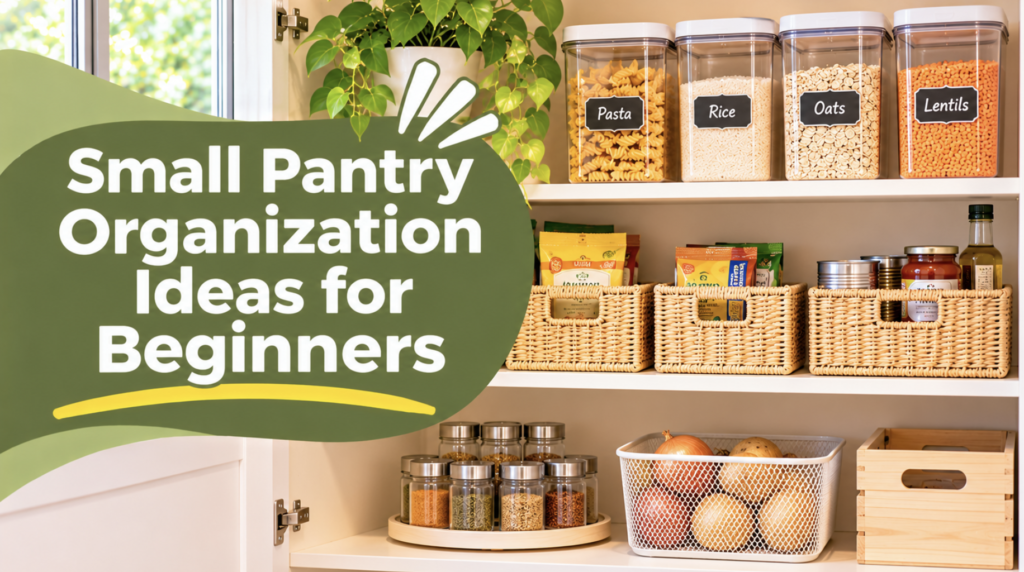
A small pantry can become cluttered surprisingly quickly. One day, everything seems easy to find. A few grocery trips later, bags of pasta are hidden behind cereal boxes, cans are stacked in different corners, and you can't remember whether you already have another package of rice.
The problem isn't always a lack of space. Sometimes, food is difficult to find because everything is stored without a clear system.
The best way to organize a small pantry is to group similar foods, use available shelf space efficiently, and keep frequently used ingredients easy to reach.
Whether you have a narrow pantry cabinet, a small closet, or just a few kitchen shelves, these ideas can help you create a more functional food storage area.
1. Empty and Clean Your Pantry First
Before buying containers or baskets, take everything out of your pantry.
Place the food on a clean counter or table so you can see what you have.
Check packages for expiration dates, damage, signs of pests, and unusual odors.
Discard food that is unsafe or no longer suitable for use according to its packaging and storage instructions.
Wipe down the shelves and allow them to dry before returning anything.
This first step helps you identify duplicate purchases and understand how much storage space you actually need.
2. Group Food Into Simple Categories
One of the easiest ways to organize a small pantry is to give similar products a shared location.
You might create these categories:
- Breakfast: Cereal, oatmeal, and pancake mixes.
- Dry goods: Rice, pasta, beans, and lentils.
- Baking: Flour, sugar, and baking ingredients.
- Canned foods: Vegetables, soups, and beans.
- Snacks: Crackers, nuts, and packaged snacks.
- Cooking essentials: Seasonings and commonly used ingredients.
You don't need a separate basket for every category.
Use the shelves and containers you already have, and adjust the arrangement according to your available space.
3. Place Frequently Used Foods Within Reach
The easiest-to-reach shelves should hold foods you use regularly.
For example, if you prepare pasta several times a week, keep it somewhere convenient rather than on the highest shelf.
Less frequently used baking ingredients can occupy a different section.
This arrangement reduces unnecessary searching and makes everyday cooking easier.
Keep heavier products on lower, stable shelves and avoid stacking items in ways that could cause them to fall.
4. Use Clear Containers for Suitable Dry Foods
Transparent containers can make it easier to identify ingredients without opening multiple packages.
They're particularly useful for suitable dry foods such as pasta, rice, beans, and flour.
Before transferring food, make sure the containers are clean, completely dry, food-safe, and appropriate for the product.
Keep the original product information available, including ingredients, allergen information, and storage instructions. You can also label containers with the product name and relevant dates.
Airtight containers may help protect suitable foods from moisture and pests when used correctly.
However, you don't need to transfer every grocery item. Keeping food in its original packaging is perfectly reasonable when it is stored properly.
5. Make Better Use of Vertical Shelf Space
Small pantries often have shelves with unused space above shorter products.
A suitable shelf riser can create an additional level for lightweight cans, jars, or other appropriate items.
Before buying one, measure the shelf's width, depth, and available height.
Make sure the accessory is stable and can support the intended weight.
Avoid creating tall, unstable stacks of cans or glass containers.
Sometimes simply moving shorter packages to one side is enough to make the remaining space more useful.
6. Use Baskets to Group Small Packages
Small food packages can easily become scattered across pantry shelves.
Packets of seasoning, snack bars, and individually packaged foods may be easier to manage inside suitable baskets.
Choose containers that fit your shelves without blocking access to other products.
Label each basket with a simple category when necessary.
For example, one basket could hold baking supplies while another contains packaged snacks.
Avoid overcrowding baskets. If you cannot see or retrieve the contents comfortably, divide the category or remove unnecessary items.
7. Organize Canned Foods by Type and Date
Canned foods are easier to manage when similar products are grouped together.
Keep soups together, separate vegetables from fruits, and arrange canned beans in one section.
Place products with earlier dates toward the front, following the manufacturer's storage and date guidance.
Check cans for damage, swelling, leaks, or other warning signs before storing or using them.
Don't assume a can is safe simply because it looks organized on the shelf.
A simple arrangement makes it easier to see what you have before creating your next grocery list.
8. Create a Small Inventory System
You don't need complicated software to keep track of pantry supplies.
A basic shopping list or note on your phone can help you remember which essentials are running low.
Before grocery shopping, check your pantry and note products you already have.
This helps reduce duplicate purchases and prevents limited shelf space from filling with unnecessary extras.
If you frequently buy the same ingredients, consider maintaining a short list of everyday staples.
Keep the system simple enough to update regularly.
9. Avoid Common Small Pantry Organization Mistakes
Even a neatly arranged pantry can become difficult to use when storage decisions aren't practical.
Watch out for these common problems:
- Buying containers before measuring: Organizers may not fit your shelves.
- Removing every product from its packaging: Important instructions and allergen information can be lost.
- Overfilling baskets: Products become difficult to identify and retrieve.
- Ignoring storage instructions: Different foods require different conditions.
- Keeping expired or damaged products: Regular checks help maintain a safer storage area.
A functional pantry should make food easier to find without creating unnecessary work.
10. Maintain Your Pantry With a Simple Routine
Once your pantry is organized, spend a few minutes reviewing it regularly.
Return ingredients to their designated sections after cooking.
Check packages when putting away groceries and move older suitable products toward the front.
Wipe up spills promptly and inspect shelves for signs of moisture or pests.
Before shopping, review what you already own.
This small routine helps prevent clutter from returning and makes grocery planning more straightforward.
Final Thoughts
Organizing a small pantry doesn't require expensive containers or a complete kitchen makeover.
Start by reviewing your food supplies, grouping similar products, and arranging shelves according to how frequently you use each ingredient.
Choose storage accessories only when they solve a specific problem, and always follow appropriate food storage instructions.
With a simple arrangement and regular maintenance, even a small pantry can become easier to use and keep organized.
Leave a Reply