
How to Create a Home Office in a Small Apartment
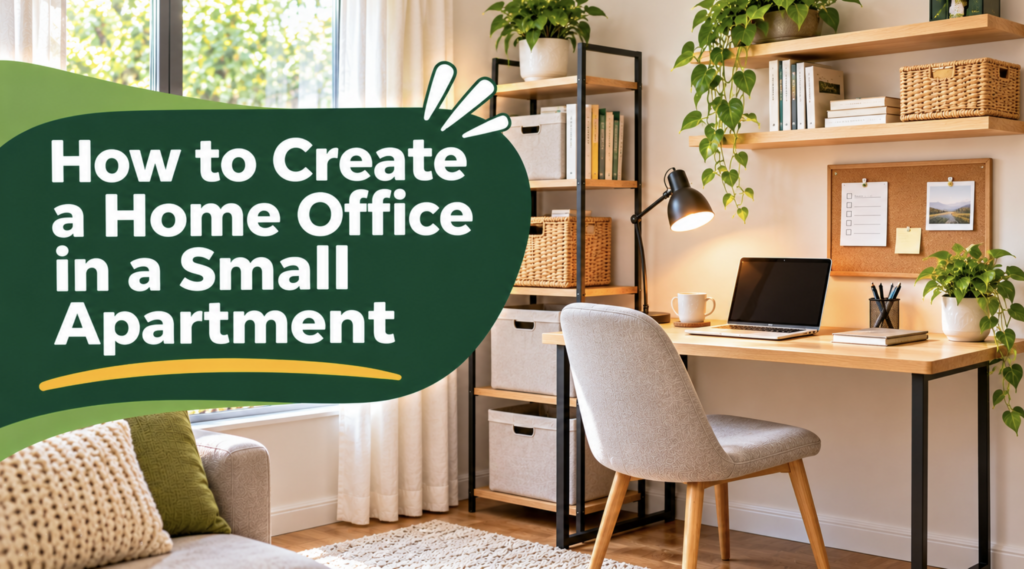
Working from a small apartment can be frustrating when your laptop lives on the dining table, your charger disappears behind the couch, and there's nowhere to leave important paperwork.
But you don't need a spare bedroom to create a useful workspace.
To create a home office in a small apartment, choose a quiet, practical location, set up a comfortable work surface, and keep essential supplies within reach. The best arrangement is one that supports your work without taking over your living space.
Here's how to build a workspace that fits your apartment and your daily routine.
1. Choose a Location That Fits Your Work
Before shopping for a desk, think about how you spend your working hours.
Do you attend video meetings, use a laptop for short periods, or need room for paperwork and a monitor?
Your answers will help determine where your office belongs.
A corner of the living room may work well for regular computer use. A bedroom alcove might offer more privacy for calls, while a dining table could suit occasional work.
If your apartment is one open room, our guide to studio apartment storage ideas explains how to divide shared spaces into functional zones.
Choose somewhere with convenient electrical access and enough room to sit comfortably.
2. Measure Before Choosing a Desk
A desk that looks small online may feel surprisingly large once you add a chair.
Measure the available wall space, the depth of the desk, and the area needed to pull out your chair.
Check nearby doors, drawers, and walking paths.
If you only use a laptop, a compact desk may be sufficient. If you work with multiple screens or paper documents, you'll need more usable surface area.
Don't buy furniture based on appearance alone.
A smaller desk that fits properly will often be more useful than an oversized workstation squeezed into a corner.
3. Make an Existing Table Work for You
You don't necessarily need a dedicated desk.
A dining table can function as a temporary workspace when used with a practical storage system.
Keep your laptop accessories, notebooks, and office supplies together in a portable container.
At the end of the workday, return everything to the container so the table is available for meals.
This approach is particularly useful in apartments where furniture must serve several purposes.
For more suggestions, see our guide to small apartment dining area organization.
4. Set Up Your Screen and Chair Comfortably
A workspace should be comfortable enough for the time you spend using it.
Position your screen so you can look at it without repeatedly bending your neck forward.
For extended laptop use, an external keyboard and mouse can make it easier to position the screen independently.
Choose a stable chair that supports a comfortable seated position, and adjust your setup so your shoulders remain relaxed.
The OSHA computer workstation guidance provides information about monitor placement, seating, and workstation arrangement.
Take regular opportunities to change position and move around rather than remaining seated for long periods.
5. Use Vertical Space for Office Supplies
When desktop space is limited, nearby shelving can help keep supplies organized.
Use existing shelves for notebooks, reference materials, and storage containers.
Group similar items so they're easy to locate.
For example, place stationery in one container and spare cables in another.
Keep frequently used supplies within comfortable reach.
If installing wall shelves, use suitable hardware and follow the manufacturer's weight and mounting instructions.
Avoid placing heavy objects above your workstation where they could fall.
6. Keep Cables Under Control
A small desk can quickly become crowded with chargers, power cords, and accessories.
Start by identifying which devices you actually use.
Bundle loose, compatible cables with reusable cable ties, leaving enough flexibility to avoid damaging the cords.
Route cables away from chair wheels and walking paths.
Don't run extension cords beneath rugs or overload outlets.
When possible, position your workspace near an existing electrical outlet rather than relying on multiple extension cords.
The goal is to keep connections accessible without creating unnecessary hazards.
7. Improve Lighting Without Crowding the Desk
Lighting matters when you're reading documents or working on a screen.
Natural daylight can make a workspace pleasant, but direct sunlight on a monitor may create glare.
Try positioning your screen at an angle to nearby windows.
If you need additional lighting, choose a compact desk lamp or another suitable light source.
Make sure it illuminates your work without shining directly into your eyes.
Avoid placing lamps where cords become tripping hazards or where heat could affect nearby materials.
8. Keep Work Supplies Separate From Household Clutter
One challenge of working in a small apartment is that personal belongings and office materials often share the same surfaces.
Create clear storage boundaries.
Keep work documents in a designated folder or drawer, and store household paperwork separately.
Use a small container for items you need during meetings, such as headphones, pens, and chargers.
If you're organizing the entire apartment, our guide to small apartment storage ideas offers additional ways to use overlooked spaces.
A simple system helps prevent work materials from spreading throughout the room.
9. Make Video Calls Easier
If you attend online meetings, consider what appears behind your chair.
You don't need an elaborate backdrop.
A tidy wall, bookshelf, or neutral background is often enough.
Position your camera approximately at eye level and check that your face is adequately lit.
If other household members share the room, headphones may help reduce distractions.
Choose a meeting location that respects everyone's privacy and daily activities.
10. Create an End-of-Day Routine
When your office is part of your living room or bedroom, it's easy for work to spill into personal time.
A short closing routine can help.
Save your work, put documents away, clear the desk, and return supplies to their designated locations.
If you use a shared table, remove work equipment when you're finished.
This makes the space available for other activities and reduces the likelihood of losing important items.
Final Thoughts
Creating a home office in a small apartment is less about having a separate room and more about using available space thoughtfully.
Start with a practical location, choose furniture that fits, and organize essential supplies around how you work.
Pay attention to comfort, lighting, and cable safety, especially if you spend several hours at your workstation.
With a manageable setup and a consistent routine, a small corner of your apartment can become a functional place to work without taking over your home.
Leave a Reply